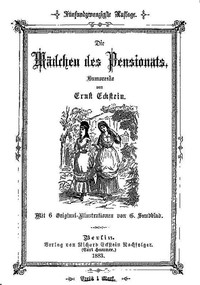
Die Mädchen des Pensionats: Humoreske by Ernst Eckstein
Ever wondered what a 19th-century German boarding school was really like, beyond the stern portraits and strict rules? Ernst Eckstein's Die Mädchen des Pensionats pulls back the curtain with a wink and a smile. Published in 1885, this 'humoreske' (humorous sketch) is a snapshot of a world governed by etiquette, where the biggest rebellion might be a smuggled novel or a secret note.
The Story
The story centers on Klothilde von Derneburg, a bright new arrival at Fräulein Raimar's esteemed boarding school. Klothilde finds the atmosphere stifling and the rules absurd. Instead of suffering in silence, she uses her sharp wit to become a ringleader of gentle anarchy. She organizes her classmates into a secret society dedicated to outsmarting their teachers and injecting some fun into their regimented days. From cleverly faked illnesses to expertly planned diversions, the girls engage in a playful battle of wits against the school's authority. The novel is less a single plot and more a connected series of these humorous escapades, showing how camaraderie and cleverness can flourish even in the most controlled environments.
Why You Should Read It
What surprised me most was how timeless the feelings are. Eckstein has a real eye for character. Klothilde isn't just a troublemaker; she's a natural leader who values friendship and intellectual freedom. The other girls each have their own personalities, fears, and hopes, making their group dynamic feel genuine. The book is funny, but it's also quietly insightful. It celebrates the resilience and ingenuity of young women, a theme that definitely resonates today. You're not just reading about pranks; you're seeing a subtle critique of the systems that try to overly mold young people.
Final Verdict
This book is a hidden gem. It's perfect for readers who enjoy classic coming-of-age stories with a light, comedic touch—think Anne of Green Gables with a dash of German precision. It's also a great pick for historical fiction fans who want a cheerful, character-driven look at everyday life in the 1880s, far from the ballrooms and battlefields. While it's a product of its time, its heart is in the universal joy of friendship and the quiet triumph of a well-executed plan. A genuinely pleasant and uplifting read.
This work has been identified as being free of known copyright restrictions. Thank you for supporting open literature.