
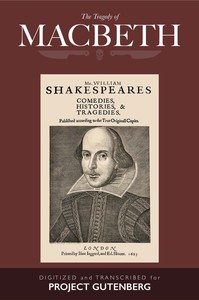
Macbeth by William Shakespeare
The Story
We meet Macbeth, a Scottish general, right after he's won a huge battle for King Duncan. On his way home, he and his friend Banquo run into three witches who give them some wild prophecies. They say Macbeth will become the Thane of Cawdor and then, the King of Scotland. For Banquo, they say his kids will be kings one day. Macbeth is skeptical until he finds out he's just been made Thane of Cawdor. The seed is planted.
He writes to his wife, Lady Macbeth, who is… intense. She decides they need to speed up fate and convinces Macbeth to murder King Duncan when he stays at their castle. After the deed is done, Macbeth is crowned king, but he's paranoid. To secure his power, he has Banquo killed because of the prophecy about his kids. But Banquo's ghost shows up at a feast to haunt him. The body count rises as Macbeth tries to cling to the throne, consulting the witches again for more misleading advice. Meanwhile, Lady Macbeth starts sleepwalking, trying to wash imaginary blood from her hands, consumed by guilt. It all leads to a final, explosive confrontation.
Why You Should Read It
Forget the idea that Shakespeare is hard or boring. The language in 'Macbeth' is raw and powerful. You can feel Macbeth's panic and Lady Macbeth's chilling determination. Their marriage is one of the most fascinating and toxic partnerships in literature. They're a team, at first, but their shared guilt destroys them in different ways.
The themes are timeless. It's about the corrupting nature of unchecked ambition. It asks: How much of our fate is our own choice, and how much is pushed on us by outside forces (or by a very persuasive spouse)? The play also shows how violence breeds more violence. One murder never stays just one murder.
Final Verdict
'Macbeth' is perfect for anyone who loves a tight, fast-paced psychological drama. If you're a fan of shows like 'Breaking Bad' or 'Succession', where you watch a character's moral decay in real-time, you'll love this. It's also great for people who think they don't like Shakespeare—it's short, it's brutal, and it doesn't waste a single scene. Just be ready for some haunting imagery and lines you'll be thinking about long after you finish.
This book is widely considered to be in the public domain. It is available for public use and education.
Barbara Hernandez
4 months agoI took detailed notes while reading through the chapters and the argument presented in the middle section is particularly compelling. I'll be citing this in my upcoming project.
Betty Nguyen
1 year agoThe formatting on this digital edition is flawless.
Richard Miller
3 months agoI stumbled upon this title during my weekend research and the author clearly has a deep mastery of the subject matter. I feel much more confident in my knowledge after finishing this.