
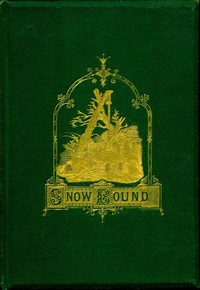
Snow-Bound by John Greenleaf Whittier
The Story
John Greenleaf Whittier put pen to paper for a poem that's basically a stretched-out winter's tale. It starts with a weird sky and a cold front—dead leaves whirling, winds screaming like engine lost its tires. Then, boom: a ground-covering blanket of snow locks the family in the old homestead. The folks (Dad reading near the stove, Mom knitting) sit tight. But time moves heavier in that space. Snow piles past windows—”hedgerow deeps”—and the hearth flame prattling along like YouTube piano loop. They don't go anywhere, they don't do any heroic stuff. The big event is crossing talk in circles. The spine's about memories—father telling his life dangers. Before there were smartphones, these quivery passages felt most alive. The rhythm—aaaaa plus slow tread—feeds in to sense of sitting frostbitten. Essentially nothing 'happens' beyond meal times, wood-saving worries, and ghost stories clicking boots down the path of past people. That plot, if we call it that, snowballs till morning shows white barque waiting to slide. Farm boy Whittier turns hokey into holy with flash vignettes full of dread grief joy. But after the final thaw-step? You'll realize that main crime? The silence can't last forever because time behaves truly.
Why You Should Read It
Fine: no spine-tingling car chase or robot gun. But okay—they do *yarn*. This is powerfully calm to deep feeling island. As reader who hates cold, Whittier got under my fleece jacket. He writes out huge memory: an aunt bra she stirred cider with sigh just one dead; a preacher carving hopes with cedar sound. Is this cheese old? A little he mixes ho-hum with gorgeous lines, picking out colors from dairy air. Feel myself braced by family; they're kindred humans even with snow blind next door. The feelin of stuck making certain ideas urgent—got glimpse why I usually speed scrolling into think. Funny part: you don't 'need' history. You probs known loud radio suffocates. Here full quiet made chapters special. Not trick however: require patient unplugging. One night test like extended lazy Saturday; you'll walk slower and love cranks chatter. So punch: emptiness becomes heavy mercy ground.
Final Verdict
If you like literature hot but not frantic—sippin tea when already hour night—I hand you Snow-Bound. Ideal for poetry fans though any soul burned from connection tarmac can cradle slow story. English class stragglers might sob rhymes. me? cozy classic for kids whom hurry too many miles left care line running short of kind people nearby storm front. Recommended season: winter dusk month til hear fire once enough own fond memory bloom too. Don’t try twist explain robot short—the writer clears sand of it. open space frame:
You are viewing a work that belongs to the global public domain. Use this text in your own projects freely.
Robert Martinez
5 months agoI appreciate the objective tone and the evidence-based approach.