1

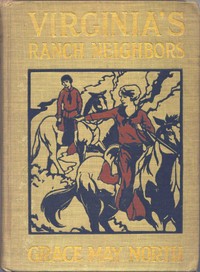
Virginia's Ranch Neighbors — Background and Themes
(0 User reviews)
1742
Project Gutenberg
2021
Not confirmed
Vacations -- Juvenile fiction; Girls -- Juvenile fiction; Mystery fiction; Arizona -- Juvenile fiction; Ranch life -- Juvenile fiction
Readers of public-domain and historical texts
Project Gutenberg digital edition
en
Edition facts
Words
61,167
Reading time
266 min
Text sections
6
For Virginia's Ranch Neighbors — Background and Themes, the stored edition analysis reports 61,167 words, 4 hr 26 min estimated reading time, and 6 detected text sections.
The text analysis averages about 17.5 words per sentence, while the detected sections provide another way to judge how the source is divided.
Project Gutenberg metadata also associates the work with “Vacations -- Juvenile fiction,” connecting these edition facts with the source record’s subject description.
Source:
Project Gutenberg record #66974
This editorial note examines how Grace May North's 1924 novel balances catalog subjects like ranch life and mystery with the actual text's focus on domesticity, character interactions, and understated adventure, revealing a tension between expected genre conventions and the story's quieter execution.
Read the complete public-domain text at its original source.
Read on Project GutenbergGrace May North's Virginia's Ranch Neighbors, published in 1924, is cataloged under subjects including "Mystery fiction" and "Ranch life—Juvenile fiction." Yet the excerpts suggest a narrative more invested in domestic routines and character dynamics than in suspense or frontier action. The opening chapter finds Virginia and her friends discussing train travel and the desert's appearance rather than any immediate intrigue. This note explores how the catalog labels align—or misalign—with the text's actual emphases.
Mystery as a Secondary Element
The catalog subject "Mystery fiction" implies a plot driven by puzzles or crimes. However, the excerpts show mystery as a peripheral concern, mentioned primarily through character dialogue. Betsy Clossen is described as someone who "is never really enjoying herself unless there is a mystery to unravel," but the narrative does not immediately supply one. Instead, the girls discuss the desert's appearance and the modernity of automobiles. Later, a subplot involving an Indian maiden named Winona emerges, but it unfolds through domestic scenes—Mrs. Wilson watching from a window, a conversation with a chief—rather than through detective work. The mystery, if it exists, appears embedded in social relationships rather than in a conventional whodunit structure.
Ranch Life as a Backdrop for Character
"Ranch life—Juvenile fiction" suggests a setting central to the plot, but the excerpts treat the ranch more as a backdrop for character interactions. The opening chapter focuses on the girls' conversation and Virginia's reassurance that "V. M. really quite tame" compared to Wild West stories. The desert is described as "gloriously lonesome looking," but the narrative quickly moves to interior spaces: a dining car, a comfortable chair by a hearth. Even when Indian riders appear, the scene is framed through Mrs. Wilson's reverie about family and grandchildren. The ranch provides a stage for emotional moments—a mother's hope, a son's love—rather than for cattle drives or range conflicts.
The Role of Arizona in the Narrative
"Arizona—Juvenile fiction" implies a regional focus, but the excerpts use Arizona selectively. The desert is visually described—"bleak and gray" mountains, "wide sandy waste"—yet the narrative does not dwell on local customs or geography. Instead, Arizona functions as a contrast to the East: Betsy wishes for a "prairie schooner" but finds an automobile. The Papago village is introduced through a visitor who "spoke excellent English," and the Indian characters are integrated into domestic plots rather than presented as exotic others. The setting thus serves character development more than regional authenticity, aligning with the series' pattern of placing girls in varied environments for personal growth.
Readers approaching Virginia's Ranch Neighbors expecting a mystery or a rugged Western adventure may find the novel's quieter pace surprising. The catalog subjects hint at genre conventions that the text subverts, focusing instead on interpersonal dynamics and everyday life. Pay attention to how North uses dialogue and interior monologue to build character, and note that the "mystery" may be more about emotional revelations than plot twists. This book rewards those who enjoy early twentieth-century girls' series fiction with its emphasis on friendship and family.
Re-reading the notes on Virginia’s gentle ranch days, I found myself missing that quiet sense of earnest searching—the way a mystery can hum underneath ordinary chores. It reminded me of that other underground journey, less about escape and more about slow, careful wonder. Tom Swift in the Land of Wonders; Or, The Underground Search for the Idol of Gold — Key Ideas to Explore keeps that same intimate, handheld feeling, even deep in a cave.
There are no reviews for this eBook.
There are no comments for this eBook.
Reader reflection
Before you leave, reflect on the book
Use these questions to collect your thoughts before moving on.
Your progress
0
/
10
2
How much did you enjoy the reading experience?
3
Is this a title you would suggest to others?
4
How much effort did this book require?
5
Could you see yourself revisiting this book?
6
Did the book offer a fresh perspective?
7
How strongly did the book affect you emotionally?
8
How clearly were the main ideas presented?
9
Which lesson or insight stayed with you?
10