1

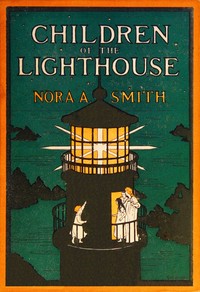
Children of the lighthouse — A Reader’s Guide
(0 User reviews)
154
Project Gutenberg
2025
Not confirmed
Islands -- Juvenile fiction; Siblings -- Juvenile fiction; Families -- Juvenile fiction; Lighthouses -- Juvenile fiction; San Francisco Bay (Calif.) -- Juvenile fiction
Readers of public-domain and historical texts
Project Gutenberg digital edition
en
Edition facts
Words
22,602
Reading time
99 min
Text sections
15
For Children of the lighthouse — A Reader’s Guide, the stored edition analysis reports 22,602 words, 1 hr 39 min estimated reading time, and 15 detected text sections.
The text analysis averages about 21.5 words per sentence, while the detected sections provide another way to judge how the source is divided.
Project Gutenberg metadata also associates the work with “Islands -- Juvenile fiction,” connecting these edition facts with the source record’s subject description.
Source:
Project Gutenberg record #75180
This editorial note examines how Nora Archibald Smith's 1924 children's novel uses its opening, middle, and later excerpts to establish a remote island setting, sibling dynamics, and a family's self-sufficient life at a lighthouse, guiding first-time readers through its distinctive voice and episodic structure.
Read the complete public-domain text at its original source.
Read on Project GutenbergThe first chapter, “The Island,” immediately introduces the secret language spoken by Ronald and Lesley, a playful suffix “-ery” appended to each word. This linguistic game, used in their opening exchange, signals a close sibling bond and a private world. The setting is established through concrete details: a patch of green in front of the Lighthouse, a cliff climbed “like a sturdy little mountain goat,” and kelp gardens. The children’s mother appears briefly at a window, smiling, grounding the domesticity within the isolated landscape.
A Secret Language and Sibling Play
The opening dialogue, with its repeated “-ery” endings, is the most distinctive feature of the early text. Ronald initiates the game, and Lesley responds in kind before they drop it for plain English. This code is not explained; readers infer its meaning from context. The exchange also reveals their ages and temperaments: Ronald is pragmatic (“nothing isn’t work if you do it for play”), while Lesley is more playful. Their laughter brings their mother to the window, a small gesture that emphasizes the family’s closeness. The secret language recurs only in this opening scene, making it a concentrated device that establishes intimacy and a child-centered perspective.
The Fog and Family Storytelling
Later in the excerpts, a fog scene shifts the tone. The fog is described as “a thick blanket, white as a roll of cotton,” and the steam fog-signal shrieks “Dan—ger! Dan—ger-r-r!” This sensory detail contrasts with the sunny opening. Inside, the family plays checkers and discusses an article about an eagle carrying a boy. Father recounts a personal experience with a wounded eagle, providing a vivid anecdote about strength and weight. The children listen eagerly, and Ronald requests a story about a baby carried off to Garrison Mountain. This scene illustrates how the family entertains itself with limited resources—books, conversation, and oral tales—and how the father’s storytelling becomes a central activity during fog-bound nights.
Isolation and Self-Sufficiency
The excerpts reveal the family’s remote life: the Lighthouse tender brings letters only once every two months, and the Government cable is reserved for emergencies. The mother’s query about a newspaper article from the San Francisco Chronicle underscores their delayed access to news. Despite this, the family has “well-selected books” and a routine of reading and re-reading. The father’s eagle story, told in response to a debate with Stumpy (a character mentioned but not yet introduced), blends natural history with personal memory. This passage establishes that the children’s education comes from direct experience and family lore rather than formal schooling, and that the lighthouse setting demands resourcefulness.
Illustrations and Visual Cues
The excerpts include references to illustrations by Elinor M. Goodridge, such as “The Children, Jenny Lind, and Jim Crow” as a frontispiece and a depiction of Jim Crow, “a privileged visitor, adding an occasional low croak to the conversation.” These captions hint at animal companions and a lively household. Another illustration shows Lesley seeing “his small figure in the Gateway,” and a later one depicts a character dancing with a crown. While the text excerpts do not describe these scenes in detail, the captions suggest visual humor and action. Readers encountering the digital edition will see these images interspersed, providing additional context for the children’s adventures and the island’s fauna.
Readers approaching Children of the Lighthouse for the first time should pay attention to how Smith balances domestic routines with moments of danger and wonder. The fog, the eagle story, and the secret language each serve as entry points into the family’s world. The episodic chapter structure, evident from the table of contents, suggests that each chapter may focus on a single incident or character, such as Stumpy or the cat. The excerpts do not reveal the plot’s trajectory, but they establish a tone of gentle adventure rooted in observation and family bonds.
There’s something about the lighthouse children—their quiet, self-reliant days—that lingers, like the beam sweeping the dark. I felt that same patient rhythm once in Uncle Wiggily's fishing trip — Text and Context, where the adventure is less about the catch than the waiting between. Old books hold that stillness, don’t they?
There are no reviews for this eBook.
There are no comments for this eBook.
Reader reflection
Before you leave, reflect on the book
Use these questions to collect your thoughts before moving on.
Your progress
0
/
10
2
Was reading this book enjoyable?
3
Would you recommend this book to another reader?
4
How demanding did the text feel?
5
Did the book give you something worth debating?
6
How understandable was the text?
7
Which element worked best for you?
8
Did the book deliver what you hoped for?
9
What changed or sharpened your thinking?
10