1

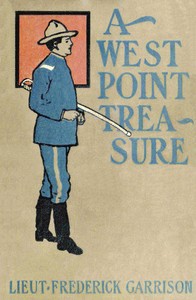
A West Point Treasure; Or, Mark Mallory's Strange Find — Themes and Context
(0 User reviews)
1514
Project Gutenberg
2021
Not confirmed
Conduct of life -- Juvenile fiction; Adventure stories; Friendship -- Juvenile fiction; Revenge -- Juvenile fiction; Treasure troves -- Juvenile fiction; Students -- Juvenile fiction; Youth -- Conduct of life -- Juvenile fiction; Soldiers -- Juvenile fiction; Courage -- Juvenile fiction; Thieves -- Juvenile fiction; Fires -- Juvenile fiction; United States Military Academy -- Juvenile fiction
Readers of public-domain and historical texts
Project Gutenberg digital edition
en
Edition facts
Words
60,012
Reading time
261 min
Text sections
32
For A West Point Treasure; Or, Mark Mallory's Strange Find — Themes and Context, the stored edition analysis reports 60,012 words, 4 hr 21 min estimated reading time, and 32 detected text sections.
The text analysis averages about 14.9 words per sentence, while the detected sections provide another way to judge how the source is divided.
Project Gutenberg metadata also associates the work with “Conduct of life -- Juvenile fiction,” connecting these edition facts with the source record’s subject description.
Source:
Project Gutenberg record #64609
An editorial note on how the opening, middle, and later excerpts of Upton Sinclair's West Point adventure guide a first reading, focusing on the cadet slang, the Banded Seven's formation, and the treasure plot.
Read the complete public-domain text at its original source.
Read on Project GutenbergThe novel opens with Mark Mallory reading a letter from a friend that recounts the exploits of the “Banded Seven,” a group of plebes resisting hazing by upperclassmen. The dialogue is peppered with period cadet slang (“b’gee,” “yearlin’s”) and the tone is boisterous, with characters like Texas speaking in a distinct Western drawl. The excerpts show a clear hierarchy: the yearlings (sophomores) haze the plebes, and the plebes organize to fight back. The treasure of the title is introduced early as a trick the plebes played on the yearlings, but the narrative quickly shifts to physical confrontations and the threat of Bull Harris, a recurring antagonist.
Cadet Slang and Social Hierarchy
The excerpts are rich with period-specific language that establishes the setting. New cadets are called “plebes,” sophomores are “yearlin’s,” and the upperclassman is a “second classman.” The dialogue uses exclamations like “b’gee” and “by jingo,” and Texas’s speech is marked by contractions and colloquialisms (“hyar,” “ain’t,” “jes’”). This vernacular not only dates the novel but also signals character: Texas is a cowboy, Dewey is lighthearted, and Mark is earnest. The social structure is rigid: yearlings haze plebes, and the plebes form the “Banded Seven” to resist. The excerpts show that hazing is physical—walloping, piling on, and tumbling into ditches—and that the conflict is personal, especially between Mark and Bull Harris.
The Banded Seven and Collective Action
The “Banded Seven” is a secret organization of plebes, formed to fight back against hazing. The excerpts reveal that the yearlings have guessed its existence but not its name. Mark is the leader, and the group acts together: when Dewey is attacked, Mark immediately rallies the others. The collective action is portrayed as both necessary and exciting—Texas describes his fight as “the rousin’est ole scrap.” The treasure trick mentioned in the letter is a past success, but the current crisis is a direct assault on the Seven. The excerpts suggest that the plot will revolve around the group’s efforts to outwit Bull Harris and his gang, with the treasure serving as a recurring MacGuffin.
The Treasure as a Narrative Device
The title promises a “strange find,” but the excerpts show the treasure is initially a trick played on the yearlings. The letter mentions “the way we fooled him with that treasure,” and Bull Harris is “wild” about it. The treasure is not described in detail; it functions as a source of conflict and a symbol of the plebes’ cleverness. Later chapters (e.g., “Discovery of the Loss,” “Stealing from Thieves”) suggest the treasure becomes a physical object that is lost, stolen, and recovered. The excerpts do not reveal its nature, but the catalog subjects include “Treasure troves,” so it likely involves a hidden cache. The treasure plot intertwines with the hazing conflict, driving the action forward.
Character Dynamics and Dialogue
The excerpts showcase distinct character voices. Mark is the earnest leader, speaking in complete sentences and showing indignation (“By George, I’m going to get square”). Dewey is lighthearted, using “b’gee” and laughing off his beating. Texas is exuberant and violent, with a comic Western drawl. Bull Harris is the villain, described as “wild” and cowardly. The dialogue is fast-paced, with interruptions and overlapping speech. The physical descriptions are minimal—Mark has “curly brown hair” and a “frank, pleasant face”—but the characters are defined by their actions and speech. The excerpts suggest that the novel’s appeal lies in its energetic banter and clear-cut hero-villain dynamics.
Readers should note that the excerpts cover only the first few chapters, so the full arc of the treasure plot and the fate of the Banded Seven are unknown. The novel’s structure appears to alternate between action scenes (fights, chases) and dialogue-heavy confrontations. Pay attention to how the treasure is introduced and how it evolves from a trick to a central object. The cadet slang may require some adjustment, but it adds authenticity to the setting.
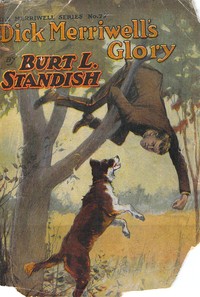
Reading about Mark Mallory's cadet slang brought back the summer I first met Dick Merriwell, when loyalty among boys felt like the truest religion. Dick Merriwell's Glory; Or, Friends and Foes — A Reader’s Guide reminded me that strange finds are often just excuses for friendship to prove itself. Both books left me wishing my own school hallways held such quiet, tangible mysteries.
There are no reviews for this eBook.
There are no comments for this eBook.
Reader reflection
Take a moment to reflect on this book
Create a short personal record of your experience with this book.
Your progress
0
/
10
2
How much did you enjoy the reading experience?
3
How likely are you to recommend this book?
4
What was the reading difficulty like?
5
Which part made the strongest impression?
6
Could you follow the author’s main argument?
7
Did it raise ideas you would like to talk about?
8
How strongly did the book affect you emotionally?
9
What is the main idea you are taking away?
10