1


The New Boy at Hilltop, and Other Stories — Inside the Classic
(0 User reviews)
80
Project Gutenberg
2004
Not confirmed
Schools -- Juvenile fiction; College stories; Young men -- Juvenile fiction; Sports stories
Readers of public-domain and historical texts
Project Gutenberg digital edition
en
Edition facts
Words
55,285
Reading time
241 min
Text sections
5
The source record for The New Boy at Hilltop, and Other Stories — Inside the Classic measures this digital text at 55,285 words, 4 hr 1 min estimated reading time, and 5 detected text sections.
The text analysis averages about 13.7 words per sentence, while the detected sections provide another way to judge how the source is divided.
Project Gutenberg metadata also associates the work with “Schools -- Juvenile fiction,” connecting these edition facts with the source record’s subject description.
Source:
Project Gutenberg record #6487
This collection of school and sports stories by Ralph Henry Barbour focuses on new boys, proving oneself, and unexpected opportunities. Excerpts show detailed settings, character voice, and plot mechanics like a political scoop, but the catalog subjects oversimplify the range of situations depicted.
Read the complete public-domain text at its original source.
Read on Project GutenbergThe opening story introduces Kenneth Garwood arriving at Hilltop School on a cold January afternoon, alone in a poorly heated day coach. The narrative dwells on his immediate impressions: the principal’s praise of a model student named Joseph Brewster, and the taciturn instructor Mr. Whipple, whose “soft, silky voice” makes Kenneth want to trip him into a snow bank. The school buildings are described as uninviting, with “windows frowned dark and inhospitable.” This attention to sensory detail—cold, creaking elms, purple-shadowed snow—grounds the story in a specific atmosphere of anticipation and mild resentment.
Catalog Subjects vs. Actual Content
The catalog lists “Schools -- Juvenile fiction; College stories; Young men -- Juvenile fiction; Sports stories.” While the title story does involve a school setting, the excerpts reveal a wider variety. One story follows Tom, a young reporter who obtains a political scoop by transcribing a senator’s dictated statement on a train, then racing to the newspaper office. This plot involves telegraph messages, a city editor, and a “biggest beat of the year”—elements far removed from sports or college life. Another excerpt shows a character receiving a telegram about political strategy, with references to Republican managers and a compromise candidate. The collection thus includes journalism and political intrigue alongside school tales, a fact not captured by the subject headings.
Recurring Patterns in Character Introduction
Barbour often introduces protagonists through their immediate reactions to authority figures. Kenneth Garwood dislikes both the model student and the instructor before meeting them properly. In the reporter story, Tom faces a “frowning” city editor who initially greets him coldly. Both characters are placed in situations where they must prove themselves—Kenneth as a new boy, Tom by delivering a scoop. The author uses physical details to convey personality: Mr. Whipple’s “unchanging smile” and “soft, silky voice” contrast with the editor’s “frowns” and pipe. These patterns suggest a consistent interest in how young men navigate institutional hierarchies, though the excerpts do not reveal whether these tensions resolve.
Setting as a Character
Settings in the excerpts are rendered with precise, moody detail. Hilltop School is introduced through its cold, dark buildings and the “leafless elms which creaked and groaned dismally in the wind.” The train in the reporter story is described with specific time references and the senator’s “grizzled mustache.” The office of the World building is marked by a clock at “twenty minutes after five” and the city editor bundling papers to go home. These details create a strong sense of place and time, often reflecting the protagonist’s emotional state. The excerpts do not indicate whether all stories share this level of descriptive care, but the pattern is evident in the available text.
Readers should note that the collection’s title story may not be representative of the whole. The excerpts show a range of genres—school life, political journalism, and possibly sports—so approaching each story on its own terms will yield a more accurate experience. Pay attention to how Barbour uses physical details and character reactions to build tension, rather than expecting a uniform theme.
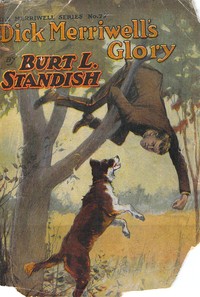
There’s something about that old Hilltop story—the quiet ache of being the new boy, watching for a foothold—that put me in mind of another world entirely. I found myself thinking of Frank Merriwell’s long shadow, the way friendship and rivalry braid together there. I pulled up Dick Merriwell's Glory; Or, Friends and Foes — A Reader’s Guide and it felt like visiting a familiar porch. Both have that earnest, hopeful loneliness.
There are no reviews for this eBook.
There are no comments for this eBook.
Reader reflection
Take a moment to reflect on this book
Create a short personal record of your experience with this book.
Your progress
0
/
10
2
How did the book work for you overall?
3
How likely are you to recommend this book?
4
How easy was the book to follow?
5
Did the book meet your expectations?
6
Do you expect to return to this book?
7
How would you describe its reading pace?
8
Which part made the strongest impression?
9
What did this book teach you most?
10